
The Marsala wine venture
The Florios of SicilyThis flow traces the Florios’ entry into Marsala wine, from land acquisition and production to export success and disputes over management.
increasing Bearing strength in each event
 decreasing
Bearing strength in each eventdecreasingLand beside the sea
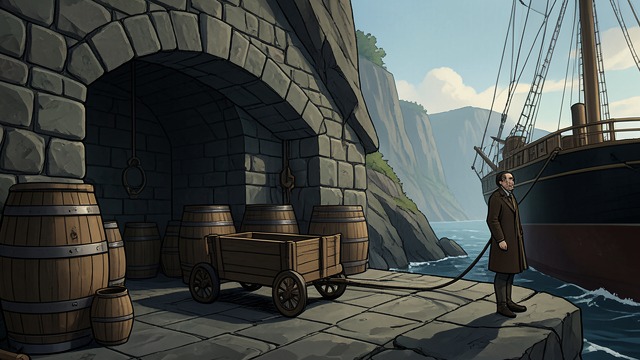
Land beside the sea
A strategic site
Vincenzo Florio chooses land in Contrada Inferno for a wine cellar, valuing direct access to the coast over roads unable to carry large loads. He imagines a factory rather than a traditional country estate.
A new partnership
He brings Raffaele Barbaro into the undertaking and gives him a share in the venture. The plan targets quality and markets beyond the British producers already established in the area.
The cellar extends Casa Florio from trade into production and gives Vincenzo a chance to compete on terms he has chosen himself.
A cellar takes shape
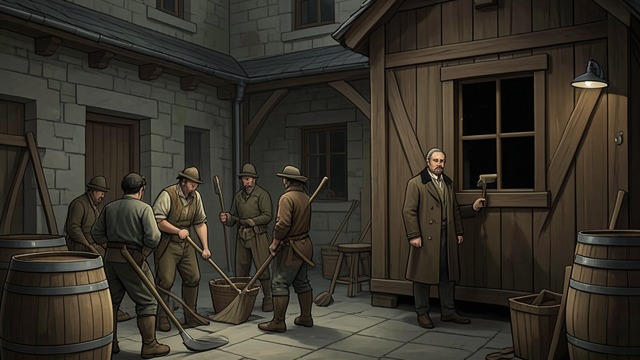
A cellar takes shape
Building for production
Workers construct a large courtyard complex with warehouses and space for wine refinement. Vincenzo coordinates grapes, casks, and skilled coopers while insisting that the site be organized for its purpose.
Learning a market
He aims beyond inexpensive wine for soldiers, hoping to sell a higher-quality product to French and aristocratic customers. Raffaele Barbaro oversees the operation as the venture grows.
The cellar reflects Vincenzo’s conviction that a new Sicilian industry can rival established foreign producers through planning and quality.
Partnership under strain
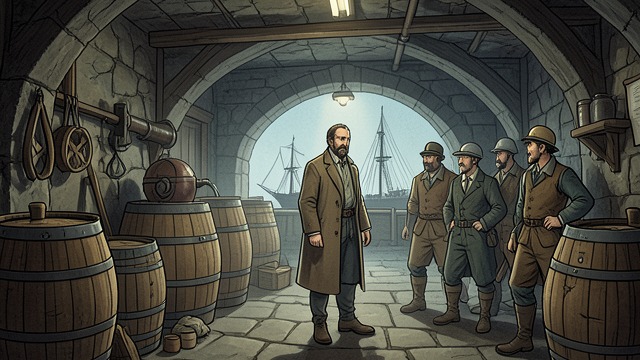
Partnership under strain
Different expectations
Vincenzo Florio believes Raffaele Barbaro lacks the initiative required to compete with larger producers. Raffaele feels he has devoted himself to the cellar and is being denied recognition for his work.
A severed relationship
Vincenzo buys out Raffaele’s share and ends their partnership. The business continues, but their cousinly friendship does not survive the decision.
The split reveals the cost of Vincenzo’s standard of ambition: loyalty matters to him, but he ultimately demands partners who match his appetite for risk and control.
Early 1830s
Mid-1830s
By the early 1850s
